
Simple tools to spot losses, organize stocks, cook leftovers and measure progress without adding to daily life.
Target audience: Families, students, collective kitchens, associations.
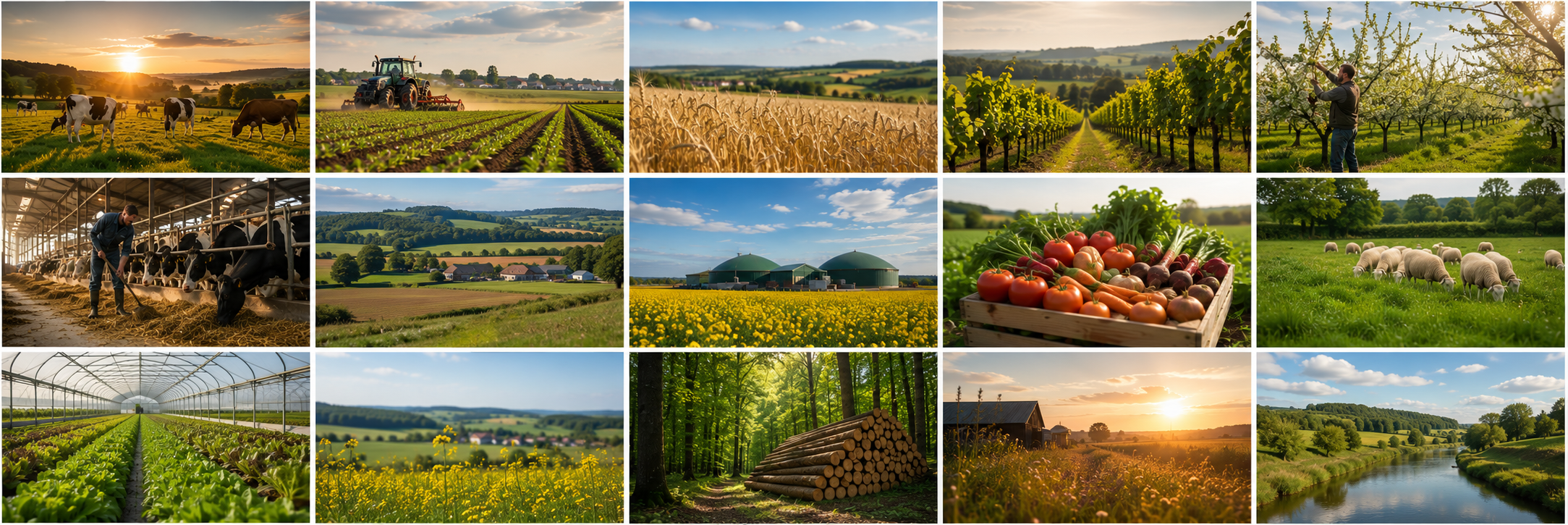
A citizen portal that translates Walloon agricultural topics into practical, verifiable and contextualized benchmarks: sectors, professions, seasons, labels, territory and food choices.
Tips for better preserving, cooking and promoting fresh produce.
Simple tools to spot losses, organize stocks, cook leftovers and measure progress without adding to daily life.
Target audience: Families, students, collective kitchens, associations.
Food waste is first corrected by observation: which products end up too often at the bottom of the fridge, which portions are poorly calibrated, which dates are poorly followed. The toolbox then offers testable actions: stock rotation, end-of-fridge meals, freezing in portions, labeling and monthly monitoring of avoided losses.
Anti-waste toolbox provides practical guidance. Before making a binding decision, document sources, costs, local constraints and people consulted.